
Metals market: Essentials for traders
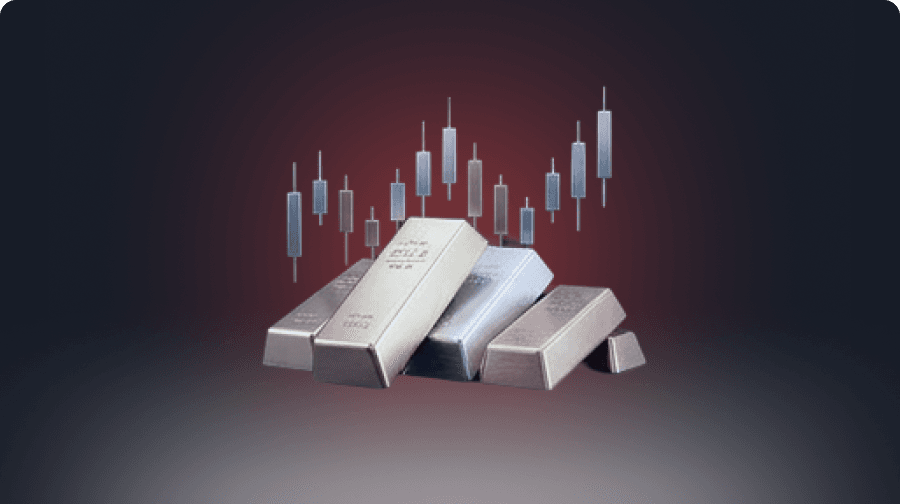
The metals market is a dynamic aspect of the global financial landscape. Understanding its complexities can be the first step in exploring the diverse potential of...
The metals market is a dynamic aspect of the global financial landscape. Understanding its complexities can be the first step in exploring the diverse potential of this market.
Metals and commodities are closely related but have distinct characteristics and drivers
Metals are divided into base and precious, with gold and silver leading the safe-haven segment
Trading conditions, such as spreads, leverage, and market hours, play a crucial role
Price movements are driven by macroeconomics, currency strength, and global demand
Introduction to the metals market for traders
Metals are naturally occurring elements known for their conductivity and wide industrial use. They play a crucial role across sectors such as construction, electronics, and jewelry. Unlike broader commodity categories, which include agricultural goods and energy resources, the metals category focuses on metals such as gold, silver, copper, and iron.
The metals market stands out due to its dual nature. They are essential to industrial production and serve as key financial instruments for trading and wealth preservation. This makes the market closely linked to other asset classes, especially forex.
For example, the relationship between metals and currencies can be observed in pairs like XAUAUD, which represents the price of gold in Australian dollars. Movements in this pair are influenced not only by gold itself (often driven by the U.S. dollar) but also by the strength of the Australian dollar, a currency closely tied to commodities. Understanding forex fundamentals helps traders better interpret how currency fluctuations impact metal prices.
Different types of metals
Traders can explore various metals in the market, such as those presented below:
Gold
Gold, a symbol of wealth and security, holds a special place among metals due to its value and historical significance. It is often referred to as the gold standard in wealth preservation. The digital world also appreciates its reputation – traders often refer to Bitcoin as the “crypto’s gold.” Usually, gold is presented against the U.S. Dollar as XAUUSD.
Silver
Silver is valued not only as a precious metal but also for its wide range of industrial applications, making it a versatile and essential asset. It is widely used in electronics, solar energy, and manufacturing, and its price is closely linked to both economic growth and industrial demand.
Silver is often compared to Ethereum—sometimes called “crypto’s silver”—because of its dual role. Just as silver combines investment appeal with real-world utility, Ethereum blends its function as a digital asset with practical use in decentralized applications and blockchain technology.
Precious metals
Beyond gold and silver, traders can explore the world of precious metals thanks to platinum or palladium. These metals are essential in various high-tech applications, from catalytic converters to electronics, enhancing their investment appeal.
Base metals
Base metals such as copper play a vital role in modern infrastructure and technology. Unlike their precious counterparts, base metals are abundant but critical for economic growth and technological advancement. Their widespread use in industries underscores their importance.
Investing in precious metals
Investing in precious metals has long been considered a way to hedge against inflation and currency devaluation. Assets like gold and silver are valued for their ability to preserve purchasing power over time.
Before entering the metals market, traders should understand the fundamentals of trading. Market timing plays an important role—while metals trade nearly 24/5, periods of higher activity, such as overlapping global sessions, often bring increased liquidity and tighter spreads.
Lower spreads typically indicate better trading conditions, helping reduce transaction costs.
Leverage is another key factor. It allows traders to control larger positions with less capital, potentially increasing returns. SimpleFX offers high leverage, giving traders greater flexibility in managing their exposure. However, leverage also amplifies risk, making proper risk management essential.
Factors impacting the metals market
The metals market is influenced by numerous factors that shape prices and trading behavior.
The U.S. dollar is a major factor, as most metals are priced globally in USD. A strong dollar typically makes metals more expensive in other currencies (such as XAUEUR), reducing demand. On the other hand, a weaker USD can increase demand. Economic indicators such as the Non-Farm Payrolls (NFP) report can provide insights into the economic health of the United States. As a result, the U.S. Dollar’s performance should be monitored while exploring the metals market.
Political stability or instability can affect the market. Potential tensions in metal-rich regions can disrupt supply chains, leading to fluctuations in metal prices. Conversely, diplomatic agreements can open markets or stabilize regions, which in turn stabilize markets. Traders must keep an eye on international developments to understand such shifts.
Traders’ perceptions and reactions to global economic conditions also drive the market. During periods of economic uncertainty, traders tend to turn to historically stable investments, such as precious metals. Conversely, investors might seek higher returns in more stable or bullish economic times in more volatile markets such as cryptocurrencies.
Conclusion
Navigating the metals market requires an understanding of its various components – from the types of available metals to the economic and geopolitical factors that influence their prices. Traders can make more informed decisions by adjusting to market timing and currency fluctuations to explore the constantly evolving metals market.
Tags:
Commodities
Related articles
Macro Basics Economic indicators: Why do they matter for traders?
Economic indicators are essential tools that provide valuable insights into the state of an economy.
Macro Basics Federal Open Market Committee (FOMC): Introduction
Investors closely follow the decisions of the Federal Open Market Committee (FOMC), the policymaking body of the Federal Reserve System.
Macro Basics Trading times: Worldwide market
In the bustling world of finance, understanding trading times is crucial for investors aiming to navigate the global marketplace effectively.

Macro Basics Non-Farm Payrolls: NFP explained
Exploring the fundamentals of Non-Farm Payrolls (NFP), a crucial economic indicator that significantly impacts global financial markets by reflecting employment...
Macro Basics Understanding jobless claims
Jobless claims are a crucial economic indicator that tracks the number of people filing for unemployment benefits after losing their jobs.
Macro Basics What is a Producer Price Index?
The Producer Price Index (PPI) is a key economic indicator that tracks the average changes in selling prices received by domestic producers for their output over time.
Macro Basics Understanding personal income and outlays
Personal income and outlays are critical aspects of national economic performance. They encompass individuals’ earnings from wages, investments, and other sources, as...
Macro Basics U.S. GDP: A key indicator
Gross Domestic Product (GDP) is a key indicator of an economy’s performance. In the U.S., it reflects the total market value of goods and services produced...