
Understanding cryptocurrency wallets
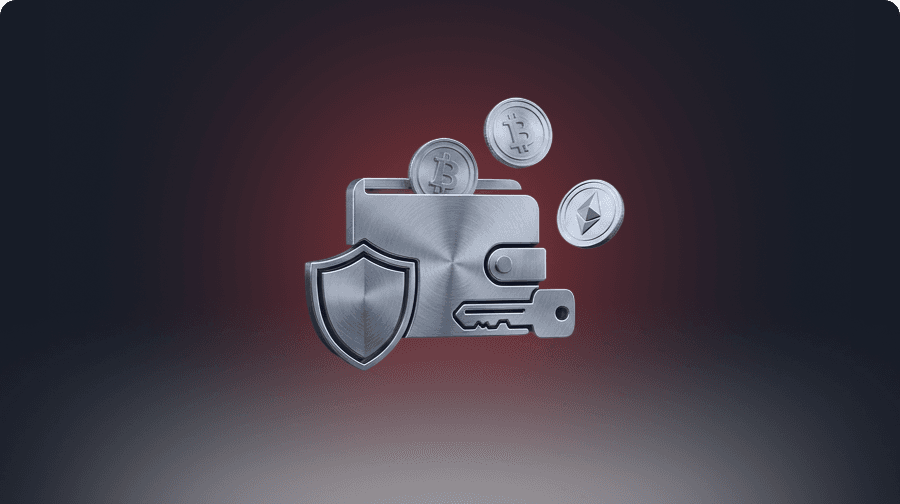
Cryptocurrency wallets are essential for anyone looking to use, trade, or invest in cryptocurrencies.
Cryptocurrency wallets are essential for anyone looking to use, trade, or invest in cryptocurrencies. They enable the secure management of digital assets and play a crucial role in the operation of blockchain technologies.
Key functions and importance: Explains the primary roles of cryptocurrency wallets in managing and securing digital assets.
Diverse support and functionality: Highlights the ability of modern crypto wallets to support various cryptocurrencies and facilitate transactions across different blockchains.
Security measures and best practices: Discusses the crucial security practices necessary to protect digital assets stored in crypto wallets.
What is a crypto wallet?
A cryptocurrency wallet is a digital tool that stores the public and private keys used to access and manage assets on the blockchain.
Unlike traditional wallets, it does not hold cryptocurrencies directly. Instead, it provides access to funds by securing the cryptographic keys required to interact with the network.
Modern wallets often support multiple cryptocurrencies, such as Polkadot (DOT), Bitcoin Cash (BCH), Arbitrum (ARB), and Injective (INJ), allowing users to manage diversified portfolios in one place.
They simplify transactions across different blockchains, making it easier to trade, invest, and manage digital assets.
Why are crypto wallets important?
Crypto wallets play a crucial role in the cryptocurrency ecosystem, serving as the gateway to effectively using digital currencies. They not only provide a secure means to store and manage cryptographic keys but also facilitate the seamless execution of transactions on the blockchain network.
Security and ownership
The primary function of a crypto wallet is to secure your digital assets. The private keys stored in your wallet are the only way to access your cryptocurrencies, making it imperative to keep them secure. Ownership of the private keys equates to ownership of the assets.
Transaction management
Crypto wallets enable the sending and receiving of cryptocurrencies through blockchain transactions. They interact with various blockchains to enable users to monitor their balance, send money, and conduct other operations.
Crypto wallet: Best ways to secure assets
Securing your digital assets begins with understanding the best practices for managing your crypto wallet. The best security measures are not just recommendations; they are essential steps every user should take to protect their investments in the digital realm.
Backup your wallet
Backing up your wallet, especially the private keys, is critical. This ensures you can regain access to your assets if you lose your wallet or forget your password.
Use strong passwords and two-factor authentication (2FA)
Protecting your wallet with a robust and unique password and enabling 2FA adds an extra layer of security against unauthorized access.
Keep software updated
Regular updates for software wallets are crucial, often including security enhancements and new features.
Be wary of phishing scams
Always verify that you are using official wallet apps or accessing legitimate websites. Phishing scams can trick you into revealing your private keys or sending funds to malicious actors.
Conclusion
Understanding the different types of cryptocurrency wallets and their respective security measures is vital for anyone participating in the digital currency. Whether you’re a casual user, trader, or long-term investor, choosing the right wallet and practicing good security habits will protect your digital assets and enhance your cryptocurrency experience. Remember, the safety of your cryptocurrencies largely depends on how well you manage and secure your wallet.
Tags:
Crypto
Related articles

Macro Basics Economic indicators: Why do they matter for traders?
Economic indicators are essential tools that provide valuable insights into the state of an economy.

Macro Basics Federal Open Market Committee (FOMC): Introduction
Investors closely follow the decisions of the Federal Open Market Committee (FOMC), the policymaking body of the Federal Reserve System.

Macro Basics Trading times: Worldwide market
In the bustling world of finance, understanding trading times is crucial for investors aiming to navigate the global marketplace effectively.

Macro Basics Non-Farm Payrolls: NFP explained
Exploring the fundamentals of Non-Farm Payrolls (NFP), a crucial economic indicator that significantly impacts global financial markets by reflecting employment...
Macro Basics Understanding jobless claims
Jobless claims are a crucial economic indicator that tracks the number of people filing for unemployment benefits after losing their jobs.

Macro Basics What is a Producer Price Index?
The Producer Price Index (PPI) is a key economic indicator that tracks the average changes in selling prices received by domestic producers for their output over time.
Macro Basics Understanding personal income and outlays
Personal income and outlays are critical aspects of national economic performance. They encompass individuals’ earnings from wages, investments, and other sources, as...

Macro Basics U.S. GDP: A key indicator
Gross Domestic Product (GDP) is a key indicator of an economy’s performance. In the U.S., it reflects the total market value of goods and services produced...