
Stablecoins: Bridging the gap between crypto and fiat
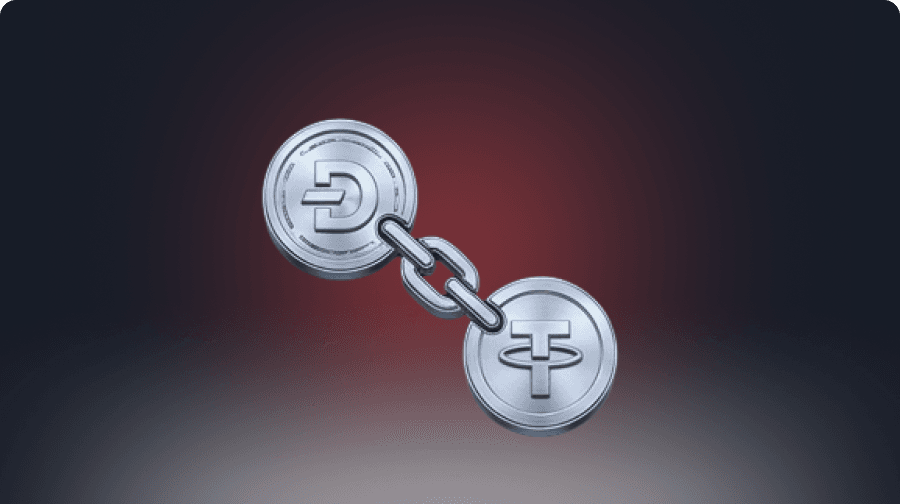
In the volatile world of cryptocurrency, stablecoins have emerged as a crucial bridge between the rapid innovation of digital currencies and the stability of...
In the volatile world of cryptocurrency, stablecoins have emerged as a crucial bridge between the rapid innovation of digital currencies and the stability of traditional fiat money. Designed to combine the best of both worlds, stablecoins offer the security and instant processing of cryptocurrencies, along with the stable value of government-issued currencies.
Highlights the role of stablecoins as intermediaries between the innovation of cryptocurrencies and the stability of fiat currencies, explaining their importance in reducing market volatility.
Discusses how stablecoins maintain their value by being pegged to more stable assets.
Explores how stablecoins enhance the usability of cryptocurrencies, particularly within decentralized finance (DeFi) platforms, facilitating more predictable transactions and financial planning.
What is a stablecoin?
Stablecoins are a distinctive class of digital currency in the cryptocurrency market, bridging the innovative nature of cryptocurrencies with the reliability of traditional fiat currencies. Unlike typical cryptocurrencies, whose values can fluctuate wildly, stablecoins aim to maintain a steady value by being pegged to stable assets like the USD or EUR.
While they operate in the same ecosystems as a variety of cryptocurrencies, such as Cardano (ADA), Solana (SOL), and Celestia (TIA), stablecoins stand out as a more stable investment and transaction medium. This stability makes them particularly useful for daily transactions, protecting against market volatility.
The mechanism of stablecoins
Stablecoins serve as a vital bridge in the cryptocurrency ecosystem, offering a more predictable alternative to traditional altcoins. By anchoring their value to less volatile assets, they allow users to enjoy the benefits of digital currencies—such as speed and security—without the typical price unpredictability associated with altcoins.
How stablecoins maintain stability
Stablecoins maintain stability by being pegged to stable assets such as fiat currencies (USD, EUR, etc.), commodities (gold, silver), or other cryptocurrencies. The most common approach is the fiat-collateralized stablecoin, where each stablecoin unit is backed by an equivalent amount of traditional currency held in reserve. This direct linkage ensures stablecoins can be exchanged at a 1:1 ratio with the fiat currency, maintaining a stable value over time.
Types of stablecoins
Beyond the fiat-collateralized stablecoins, there are also crypto-collateralized and algorithmic stablecoins. Other cryptocurrencies back crypto-collateralized stablecoins, while algorithmic stablecoins rely on a software algorithm to maintain their peg to a stable asset. Each type offers different levels of stability, risk, and complexity, catering to varied user preferences and market needs.
Best stablecoins features
The best stablecoins offer unparalleled stability in the highly volatile cryptocurrency market, making them a preferred choice for users seeking reliability for their transactions and investments. This inherent stability positions the best stablecoins as essential tools for facilitating daily transactions and as safe havens for investors during periods of significant market volatility.
Stability in a volatile market
The primary advantage of stablecoins is their ability to offer stability in the otherwise highly volatile cryptocurrency market. This makes them an ideal choice for everyday transaction remittances and a haven for crypto investors looking to escape market turbulence without converting to fiat currency.
Enhancing crypto usability
Stablecoins enhance the usability of cryptocurrencies by enabling more predictable financial planning and transactions. They serve as a vital tool on decentralized finance (DeFi) platforms, enabling lending, borrowing, and earning interest without the volatility of traditional cryptocurrencies.
Considerations and challenges
Regulatory and compliance issues
As stablecoins grow in popularity, they increasingly attract the attention of regulatory bodies concerned about financial stability, money laundering, and the potential for bypassing traditional banking systems. Navigating the evolving regulatory landscape is a significant challenge for stablecoin issuers and users, requiring ongoing compliance and adaptation to legal frameworks.
The debate over centralization
While stablecoins offer numerous benefits, they also raise questions about centralization, especially those that are fiat-collateralized. The need for central reserves and compliance with regulatory standards can lead to a concentration of control, somewhat contradicting the decentralized ethos of the broader cryptocurrency movement.
Conclusion
Stablecoins represent a significant innovation in the cryptocurrency space, serving as a bridge between the traditional financial system and the world of digital currencies. By providing stability, they make cryptocurrencies more practical for everyday transactions and play a pivotal role in developing the DeFi ecosystem. However, the journey of stablecoins has challenges, including regulatory scrutiny and debates over centralization. For those progressing from a basic to an intermediate understanding, grasping the nuances of stablecoins is essential for effectively navigating the complexities of the crypto market.
Tags:
Crypto
Related articles

Macro Basics Economic indicators: Why do they matter for traders?
Economic indicators are essential tools that provide valuable insights into the state of an economy.

Macro Basics Federal Open Market Committee (FOMC): Introduction
Investors closely follow the decisions of the Federal Open Market Committee (FOMC), the policymaking body of the Federal Reserve System.

Macro Basics Trading times: Worldwide market
In the bustling world of finance, understanding trading times is crucial for investors aiming to navigate the global marketplace effectively.

Macro Basics Non-Farm Payrolls: NFP explained
Exploring the fundamentals of Non-Farm Payrolls (NFP), a crucial economic indicator that significantly impacts global financial markets by reflecting employment...

Macro Basics Understanding jobless claims
Jobless claims are a crucial economic indicator that tracks the number of people filing for unemployment benefits after losing their jobs.

Macro Basics What is a Producer Price Index?
The Producer Price Index (PPI) is a key economic indicator that tracks the average changes in selling prices received by domestic producers for their output over time.

Macro Basics Understanding personal income and outlays
Personal income and outlays are critical aspects of national economic performance. They encompass individuals’ earnings from wages, investments, and other sources, as...

Macro Basics U.S. GDP: A key indicator
Gross Domestic Product (GDP) is a key indicator of an economy’s performance. In the U.S., it reflects the total market value of goods and services produced...