
A journey through Ethereum history
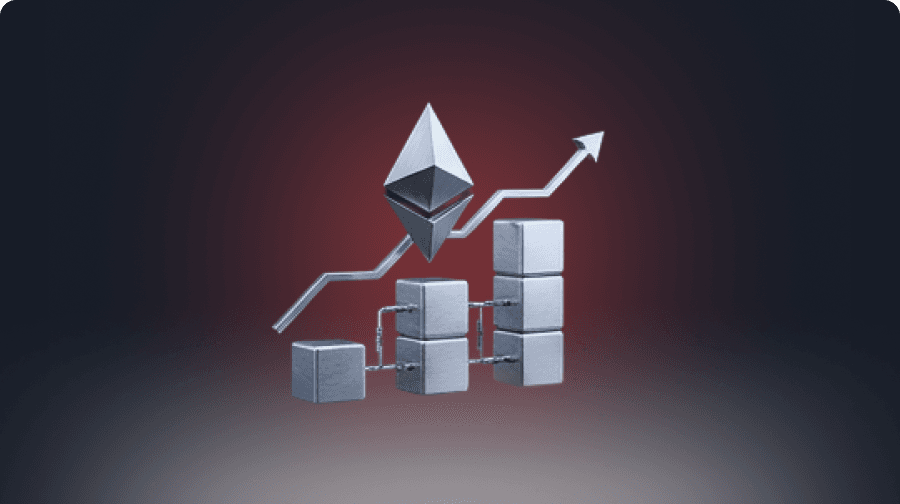
Since its inception in July 2015, Ethereum has transformed from a new idea in the digital world to a powerhouse in the cryptocurrency market.
Since its inception in July 2015, Ethereum has transformed from a new idea in the digital world to a powerhouse in the cryptocurrency market. This platform, envisioned and co-founded by Vitalik Buterin, has consistently pioneered innovations like smart contracts, setting a precedent for blockchain functionality beyond simple financial transactions.
Tracking major milestones and developments in Ethereum’s timeline.
Understanding the significance of the Ethereum Merge in the blockchain’s evolution.
Highlighting Vitalik Buterin’s role and vision in Ethereum’s foundational principles.
The Ethereum history: How it started
The story of Ethereum begins with Vitalik Buterin, its young co-founder, who envisioned a blockchain platform capable of more than just processing financial transactions. Ethereum was proposed as a platform that supports smart contracts and decentralized applications (dApps), aiming to become a global, open-source platform for decentralized agreements.
Vitalik Buterin’s Vision
So, who is Vitalik Buterin, a key figure in Ethereum’s history? Born on 31 January 1994 in Russia, at the age of 6, he emigrated to Canada with his parents. While in grade three of elementary school, Buterin was placed into a class for gifted children and was drawn to mathematics, programming, and economics. He learned about Bitcoin from his father at the age of 17. Eventually, his foresight into using blockchain technology for more than just creating a digital currency laid the groundwork for what Ethereum would eventually become. Buterin’s advocacy for transparency in development and his commitment to a decentralized ethos remain core to Ethereum’s operations.
Ethereum’s developmental milestones
Ethereum’s journey is marked by several critical updates and technological advancements that have significantly shaped its functionality and governance.
The Ethereum merge
The Ethereum merge represents one of the most significant upgrades in Ethereum’s history. Transitioning from proof-of-work (PoW) to proof-of-stake (PoS) through the merge aims not only to significantly reduce the blockchain’s energy consumption but also to improve its scalability and security. This pivotal shift underscores Ethereum’s commitment to sustainability and long-term viability.
Ethereum’s impact and future
As Ethereum continues to evolve, its impact on the crypto market and the broader technology landscape remains profound. The platform has fostered a robust development community and has become a critical foundation for numerous emerging technologies, including decentralized finance (DeFi) and non-fungible tokens (NFTs).
Innovations and community growth
Ethereum’s open-source nature has encouraged widespread community involvement and innovation, creating thousands of dApps. This vibrant ecosystem enriches Ethereum’s offerings and continually drives its evolution, ensuring that the platform stays at the forefront of blockchain technology.
Conclusion
The history of Ethereum reflects the rapid evolution of blockchain technology. Led by Vitalik Buterin and shaped by key upgrades like the Ethereum Merge, the platform has become a leader in smart contracts and decentralized applications.
As development continues, Ethereum remains at the center of innovation in areas such as DeFi and digital assets, with its ecosystem constantly expanding.
Tags:
Crypto
Related articles

Macro Basics Economic indicators: Why do they matter for traders?
Economic indicators are essential tools that provide valuable insights into the state of an economy.

Macro Basics Federal Open Market Committee (FOMC): Introduction
Investors closely follow the decisions of the Federal Open Market Committee (FOMC), the policymaking body of the Federal Reserve System.

Macro Basics Trading times: Worldwide market
In the bustling world of finance, understanding trading times is crucial for investors aiming to navigate the global marketplace effectively.

Macro Basics Non-Farm Payrolls: NFP explained
Exploring the fundamentals of Non-Farm Payrolls (NFP), a crucial economic indicator that significantly impacts global financial markets by reflecting employment...

Macro Basics Understanding jobless claims
Jobless claims are a crucial economic indicator that tracks the number of people filing for unemployment benefits after losing their jobs.

Macro Basics What is a Producer Price Index?
The Producer Price Index (PPI) is a key economic indicator that tracks the average changes in selling prices received by domestic producers for their output over time.

Macro Basics Understanding personal income and outlays
Personal income and outlays are critical aspects of national economic performance. They encompass individuals’ earnings from wages, investments, and other sources, as...

Macro Basics U.S. GDP: A key indicator
Gross Domestic Product (GDP) is a key indicator of an economy’s performance. In the U.S., it reflects the total market value of goods and services produced...